

solartricklecharger
About solartricklecharger
How to Measure Success in car trickle charger
A trickle charger’s basic principle is straightforward: match the battery’s natural rate of discharge with a slow, steady charge. This keeps the battery healthy and helps it last longer. By providing just enough current to keep the battery full, a trickle charger compensates for that loss. The stress that may result from rapid charging is avoided because the flow is so mild. Even when they aren’t powering anything, the majority of batteries lose some energy every day.
Charging continues until the desired level is reached if the battery voltage drops a little. When the battery is fully charged, the charger either enters a maintenance mode, sometimes known as float charging, or briefly shuts off. Many automatically check the battery’s voltage instead of continuously providing a current. The battery is kept in good condition without being overcharged thanks to this automatic cycle. Compared to older models, modern trickle chargers are far more efficient because they frequently incorporate smart technology.
Attach the black clamp to the negative terminal or a ground spot on the metal chassis, and connect the red clamp to the positive terminal of the main power cord by plugging it into a regular wall outlet. Enter the trickle charger. The rest is taken care of by the equipment. Without producing undue heat or stress, electricity flows smoothly from the home outlet, transforms into a low-voltage direct current, and gently restores internal chemical balance.
As a result, it may take several hours or even days to charge a battery that has been severely depleted. The charger and battery size determine the charging speed. Only a small portion of the current supplied by a conventional charger is typically provided by a trickle charger. This deliberate slow speed helps lessen wear that can happen when batteries are charged too quickly. Through induction, the charger produces a tiny amount of electricity, which may cause an accumulation of electric current in the powered circuit.
Is it safe to leave a cell phone charger plugged into an electrical outlet overnight? No, it could be harmful. Your battery will be fully charged in four hours or less at most charging stations. Can you charge a battery while still connected to a car? To prevent accidents, never charge a battery while it’s still inside a car or other vehicle. The ability of a trickle charger to significantly increase battery life is one of its main benefits. Because of this, owners of vintage cars, motorcycles, boats, RVs, https://tricklechargerguide.com/ lawn tractors, and other vehicles that spend more time parked than moving are particularly fond of trickle chargers.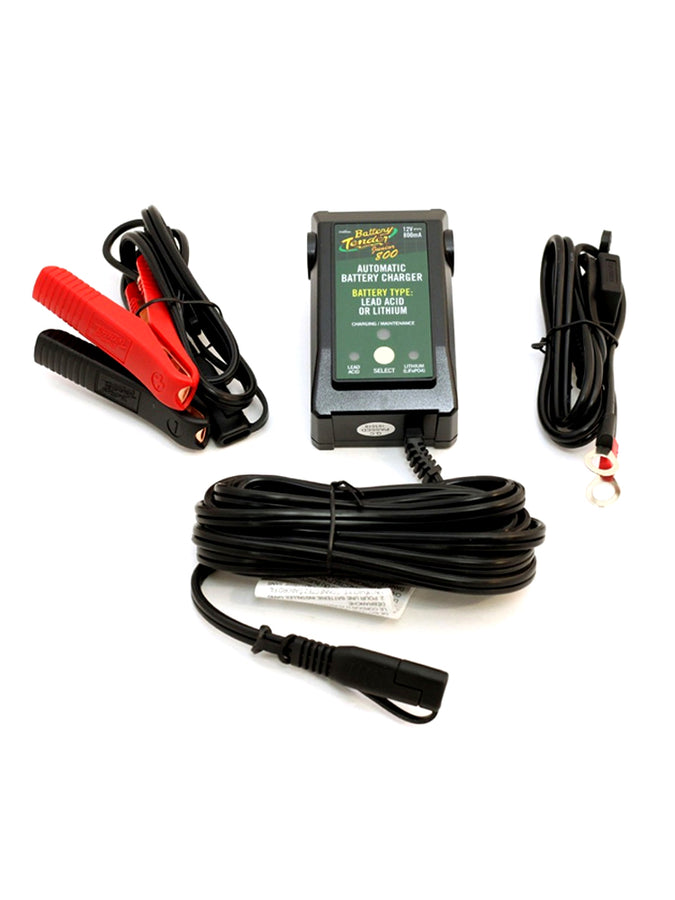
No listing found.
